
Design sits at the foundation of any work.
Not as decoration, and not as a final layer, but as something that shapes how an idea takes form from the beginning.
It is often understood through what is visible. Colour, type, layout, objects, space. But these are only expressions of something deeper. What design really does is organise. It gives structure to thought. It defines relationships, priorities, and the way things come together.
Before anything is made, decisions are already being shaped. Design is present in those decisions. In how something is arranged, how it flows, how it is understood.
This is what makes it fundamental.
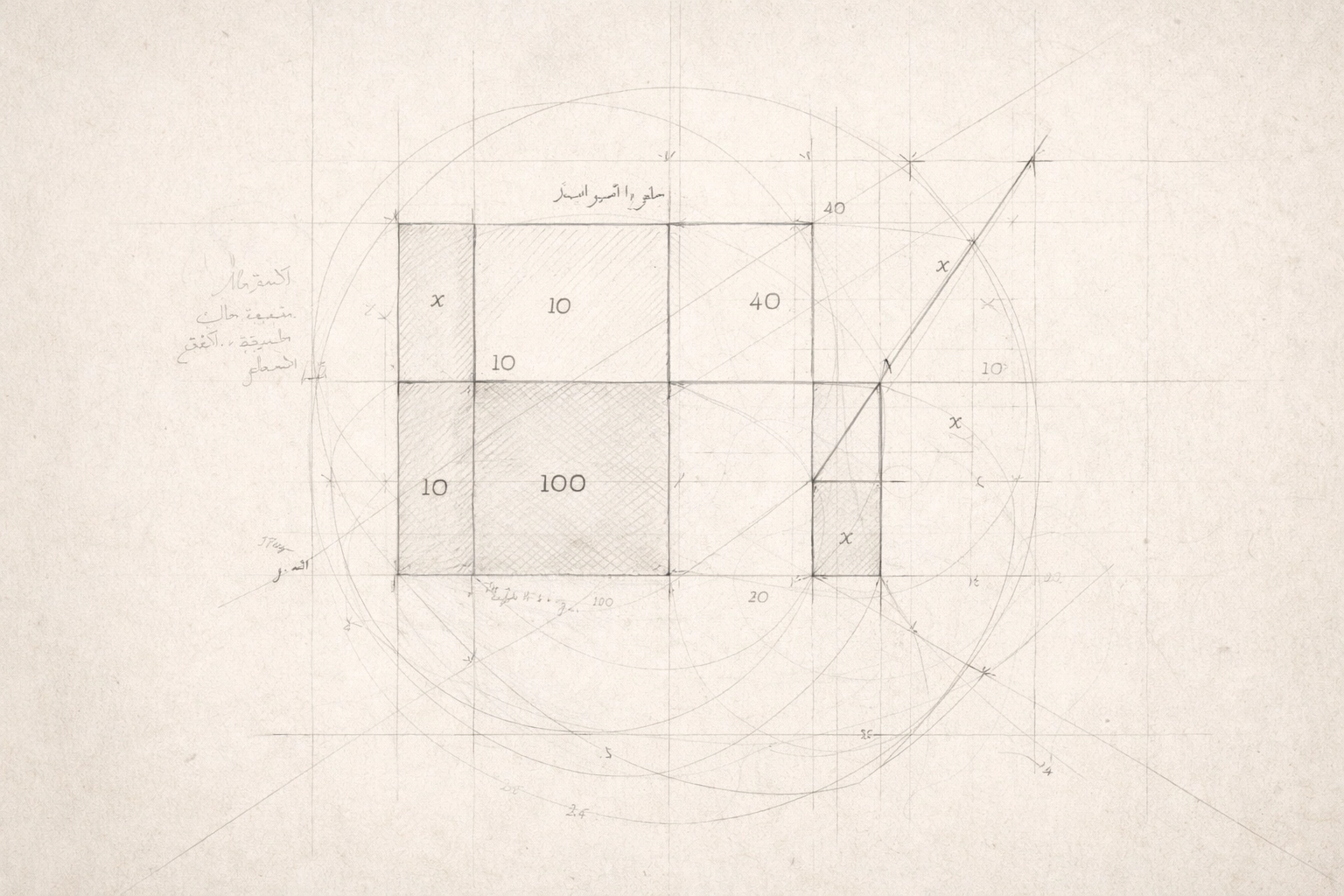
There is a long tradition of approaching form through structure. In early algebra, as seen in Al-Kitab al-Mukhtasar fi Hisab al-Jabr wal-Muqabala, relationships are defined before solutions appear. Form follows from method, not the other way around. A similar logic can be found in geometric systems, where patterns emerge from simple rules applied consistently. What appears complex is often the result of clear underlying order.
This way of thinking extends naturally into design.
When design is considered from the beginning, it behaves differently. It becomes a system that guides how work is created.
This creates clarity.
It allows different parts of a process to align. It reduces the need to redefine direction at every stage. Decisions begin to follow a shared logic, and that logic becomes visible in the outcome.

A similar approach can be seen in craft. In Savile Row tailoring, the final garment is shaped long before it is worn. The cut, proportion, and construction determine how it sits, how it moves, and how it holds over time. What appears effortless is the result of decisions made early and carried through with precision. In the work of Frederick Scholte, the cut defines everything. The behaviour of the garment is determined before it is finished.
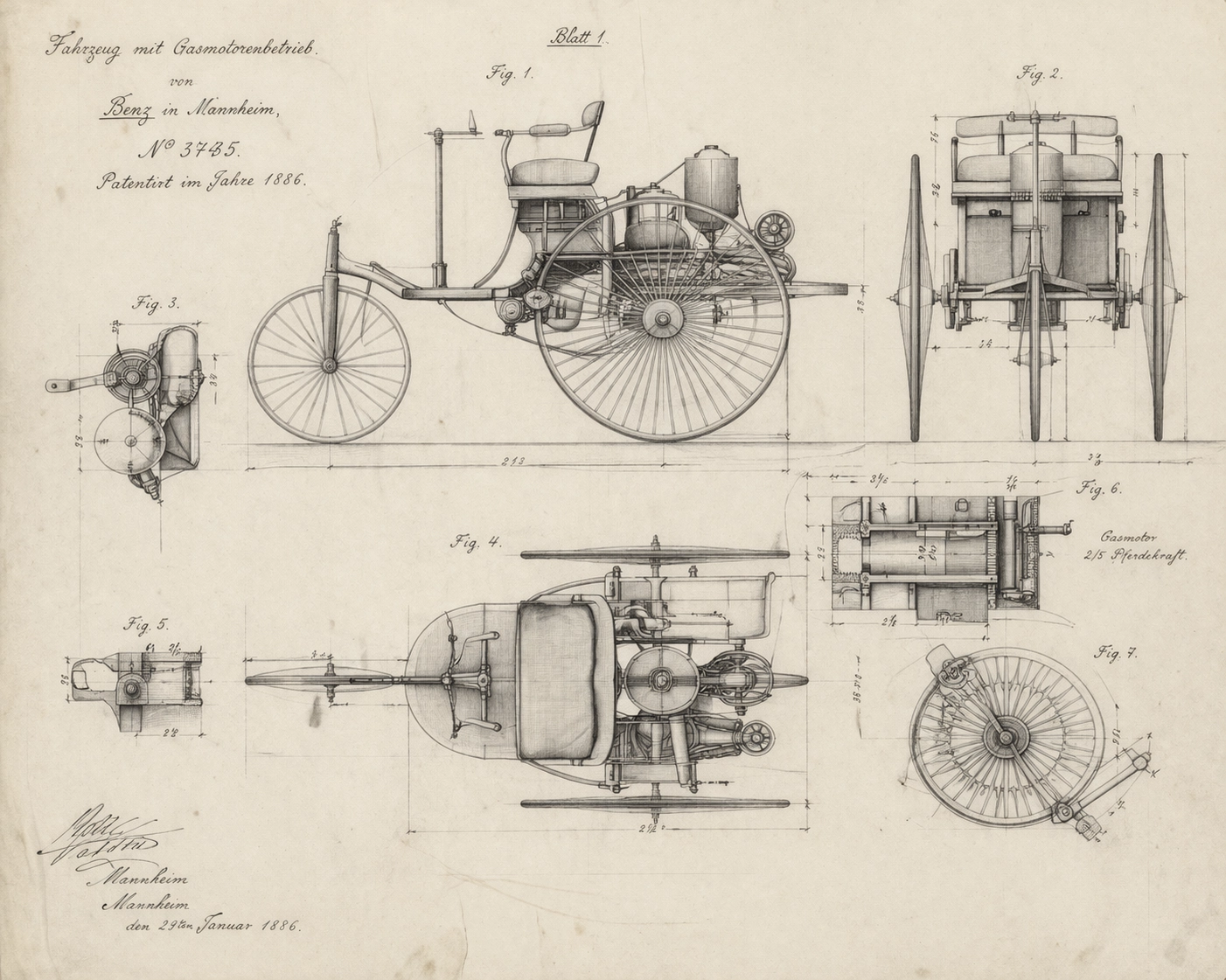
This principle extends beyond craft. In automotive design, the work of Ferdinand Alexander Porsche demonstrates how form can emerge from clarity of engineering. The continuity of the Porsche 911 is not maintained through styling, but through a consistent underlying logic. The form evolves, but it does not break. At Mercedes-Benz, Bruno Sacco approached design as a continuum, where each model belonged to a larger system. Progression did not replace what came before. It refined it.
A similar clarity can be seen in architecture. In the work of Ludwig Mies van der Rohe, reduction reveals structure. Removing what is unnecessary allows the work to hold with precision. In other approaches, such as those of Tadao Ando, structure is experienced through light, proportion, and material. The work holds without needing explanation. Across different practices, the principle remains consistent. What holds the work together is not what is added, but how it is formed.
This balance between structure and expression is essential.
It allows work to evolve without becoming fragmented. A clear system allows different outcomes to remain connected.
As reflected in The Vignelli Canon, design is not a matter of style, but of structure. When the system is clear, work can extend across formats and contexts without losing its integrity.
The strength of design is not in how much it changes, but in how clearly it holds.
It provides continuity. It ensures that what is created connects to what came before, and what may come next.
This does not limit creativity. It gives it direction.
Within a defined structure, creative work becomes more focused. It builds on what exists, rather than starting from nothing each time. Each new piece contributes to something larger.
Design, in this sense, is not separate from the work.
It is how the work is formed.
It is present in the outcome, but also in the thinking behind it. And when it is treated as fundamental, the work does not need explanation. It becomes something that is understood through how it is made.